BTS Implements New Fare Structure 17-45 Baht Starting November 1, 2025
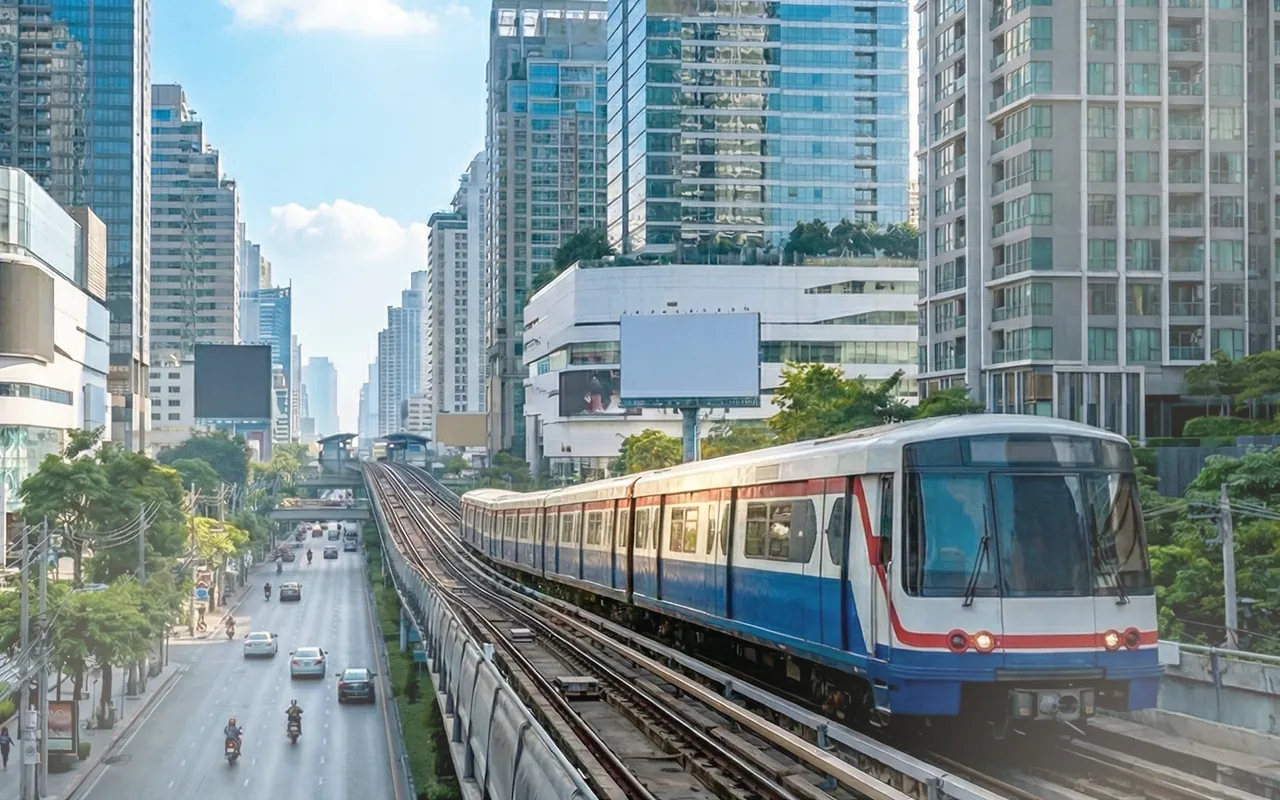
Starting November 1, 2025, passengers using the BTS Green Line will begin paying fares according to a new structure ranging from 17 to 45 baht per trip. This represents an increase from the previous rates that included promotional pricing on certain segments. This fare adjustment aims to address accumulated debt and maintain the aging rail system infrastructure.
Bangkok Metropolitan Administration has clarified that this fare adjustment is necessary for the sustainable long-term operation of the mass transit system, especially considering rising energy costs and the expenses associated with expanding routes to suburban areas that have continued to increase.
While this fare increase may seem like a minor numerical adjustment to the general public, for real estate market analysts and investors, this is a significant variable that will impact consumer behavior in choosing residential locations and future investment trends in condominiums along transit lines.
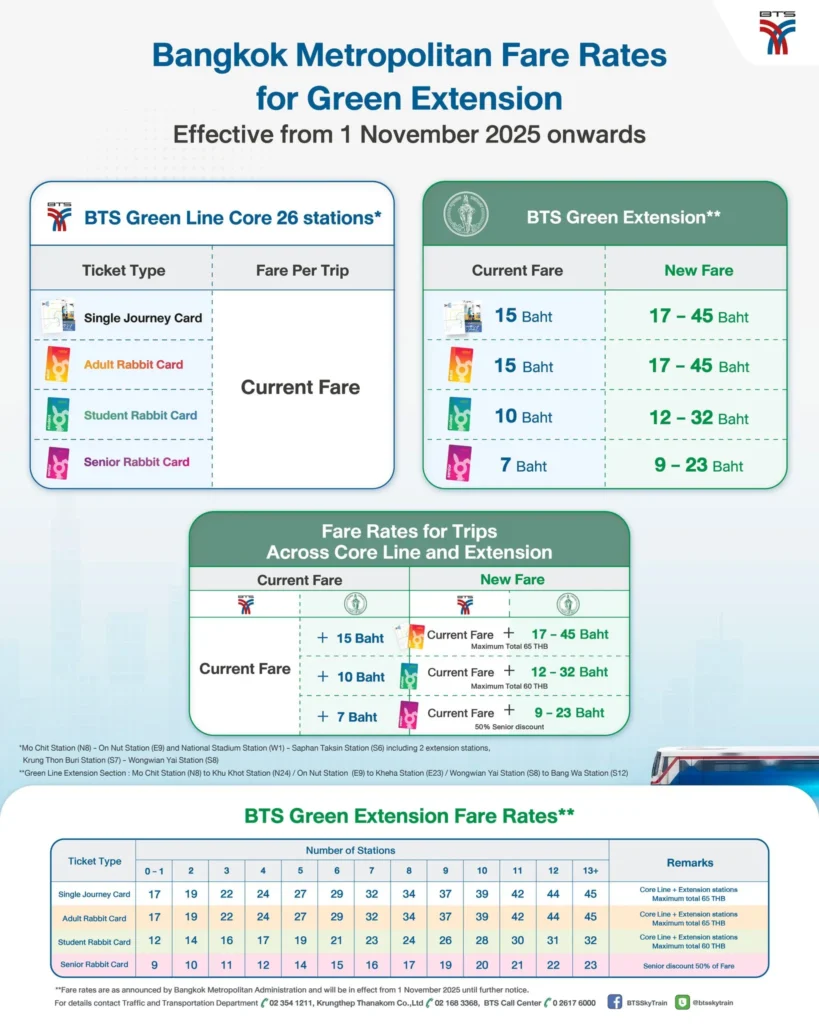
Source : Facebook Page — BTS SkyTrain
Impact on Commuters' Cost of Living
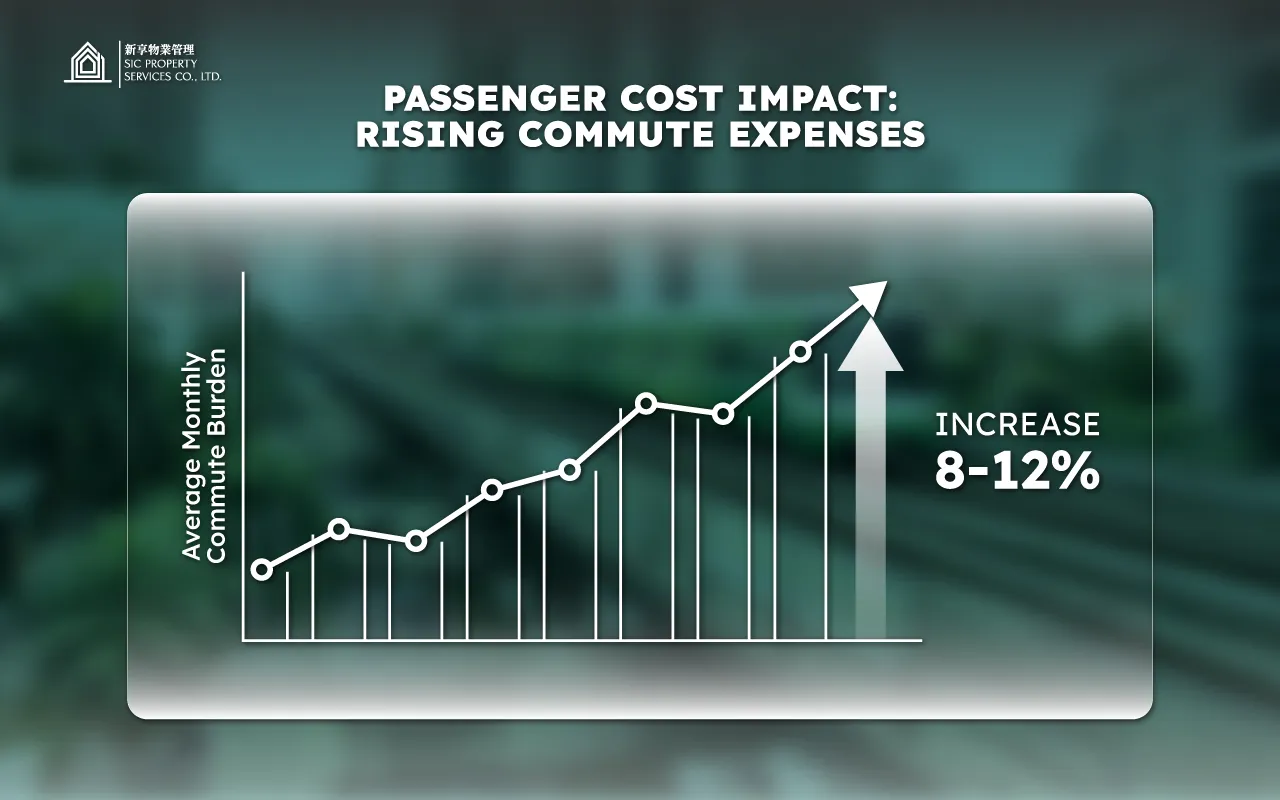
Monthly Transportation Costs Increase 8 to 12 Percent on Average
According to analysis from The Nation Thailand and The Thaiger, the group most affected by this fare adjustment are those who commute into the city center regularly every day, especially residents living in outer areas who must travel to work in central districts.
Examples of clearly affected routes include Khu Khot to Siam, Bearing to Asok, and Bang Wa to Silom. People using these routes typically travel two to four trips per day, which means when calculating total monthly expenses, transportation costs increase by approximately 400 to 600 baht per person per month.
For salaried workers and condo renters along transit lines, this figure represents a significant amount affecting monthly financial planning. This unavoidable recurring monthly expense that continues to increase every month has led people to reconsider whether living in suburban areas with cheaper rent but higher transportation costs is still worthwhile.
Changes in Commuter Travel Behavior
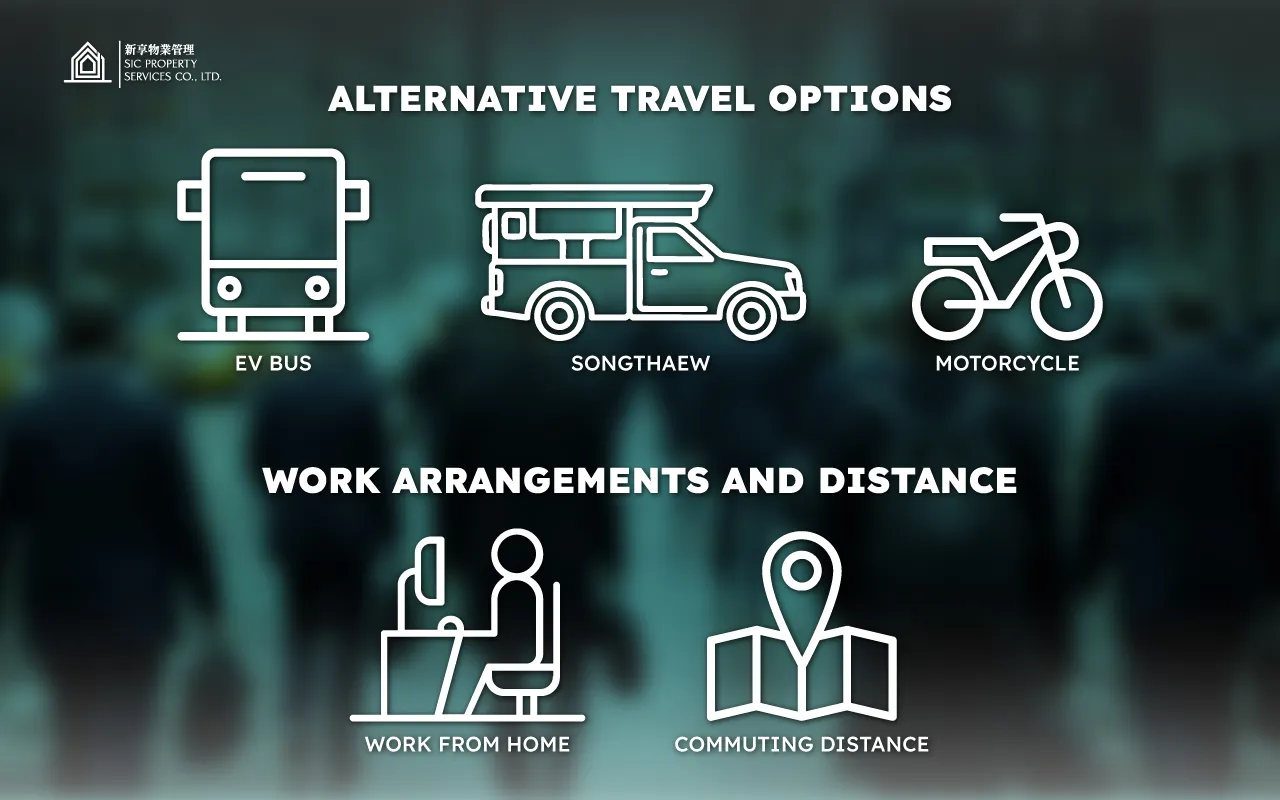
Following the fare adjustment announcement, there are interesting preliminary signs that some passengers are seeking alternative transportation options more frequently, whether using motorcycle taxis, songthaews, or electric buses with cheaper fares.
Additionally, there's a group of workers, especially in creative and digital fields, who are increasingly adopting hybrid work arrangements or working from home to reduce the necessity of commuting to the office every day. This trend aligns with the shift in work patterns following the pandemic, and this fare adjustment further accelerates this behavior.
Another factor that has become increasingly important is the walking distance from home to the train station, called first-mile, and from the station to the final destination, called last-mile. With higher train fares, users must consider additional costs for these short journeys as well. For example, if a condo is located approximately 800 meters from the station, renters may need to use motorcycle taxi services at 15 to 20 baht per trip, which when combined with the increased train fare, significantly raises total transportation costs.
This has brought the quality of pedestrian walkways around train stations and actual walkable distances back as factors that consumers prioritize once again. Renters are beginning to look for condominium buildings that offer free shuttle services to stations or are positioned where they can walk to stations without relying on supplementary transportation.
Impact on Condominium Market Along Transit Lines
Mid-Town and CBD Condos Benefit Most
Market trend analysis reveals that the condominium group that will benefit most from this fare adjustment are projects located in central city areas and near major employment centers, including the Asok to Phetchaburi area, Rama 9 and Din Daeng area, central Ratchadaphisek area, Phrom Phong and Thong Lo area, as well as central Phahonyothin from Ari to Saphan Khwai.
The main reason these areas are becoming more attractive is that renters clearly want to reduce travel time and expenses. Living closer to work means renters can save both time and money significantly. Although rents in these areas are higher than suburban areas, when calculated together with the transportation costs saved, they actually prove more cost-effective.
Data from the Lazudi Bangkok Market Report in the first quarter of 2025 indicates that condominium rental rates in central city areas increased by more than twelve percent compared to the same period the previous year, which is noticeably higher than other areas. This reflects a clear shift in market demand.
The result is that rental and purchase demand for condominiums in these zones is trending stronger both from long-term renters and investors buying to rent out. Rental prices are trending upward following increased demand, while vacancy rates are trending downward.
Outer Area Condos May Face Challenges
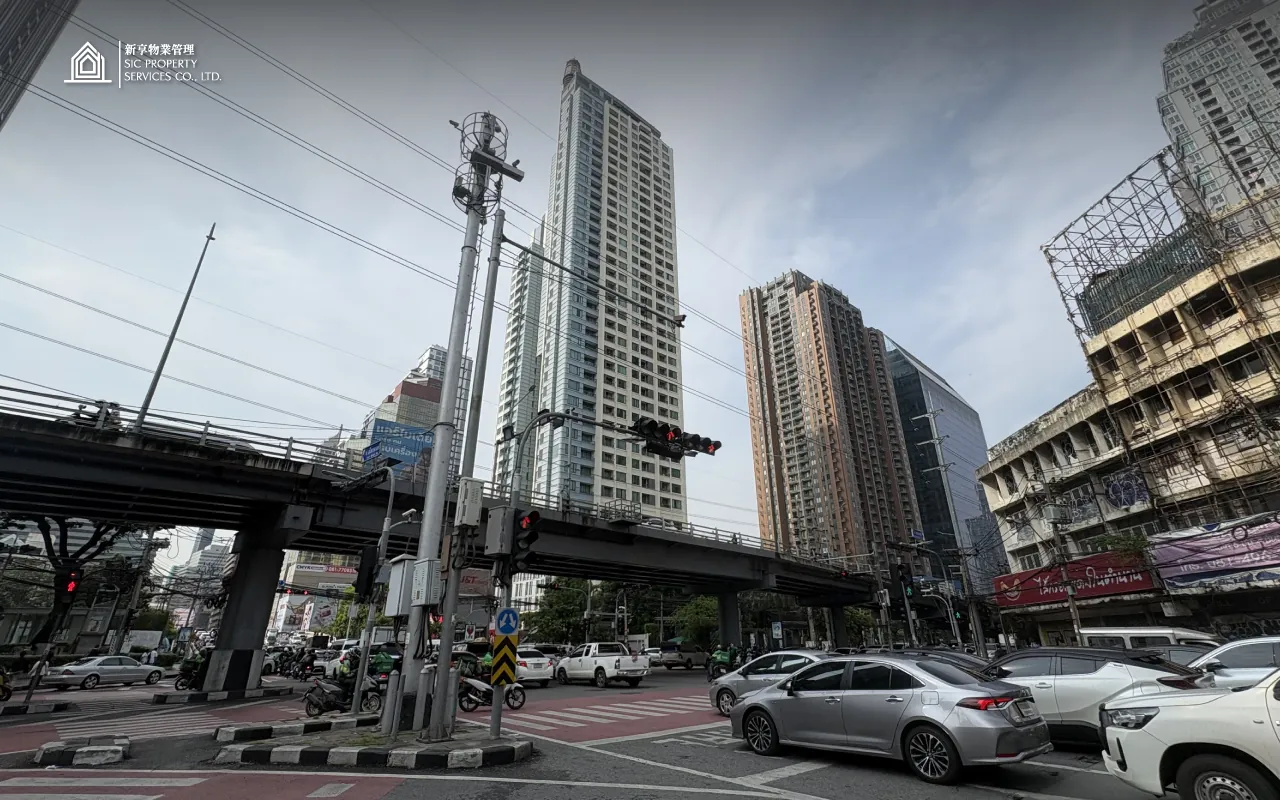
Conversely, condominiums in outer areas may face pressure from this change, especially projects in the Bearing to Samrong area, Khu Khot area, and Bang Wa area. These areas were previously popular choices due to lower rental prices.
However, with increased transportation costs, the overall value proposition of living in these areas is declining, particularly for projects located 600 to 900 meters from train stations where renters need supplementary transportation every time. Renters are beginning to question whether, even though rent is cheaper, when combined with transportation costs and time spent, it's still worthwhile to continue living there.
Investors with condominiums in these areas may need to adjust their strategies, such as slightly reducing rent to maintain competitiveness, renovating and furnishing units to look more modern and move-in ready, or adding amenities that meet the lifestyle needs of modern renters who want convenience and time savings.
Projects Truly Near Stations Have Opportunity to Increase Value
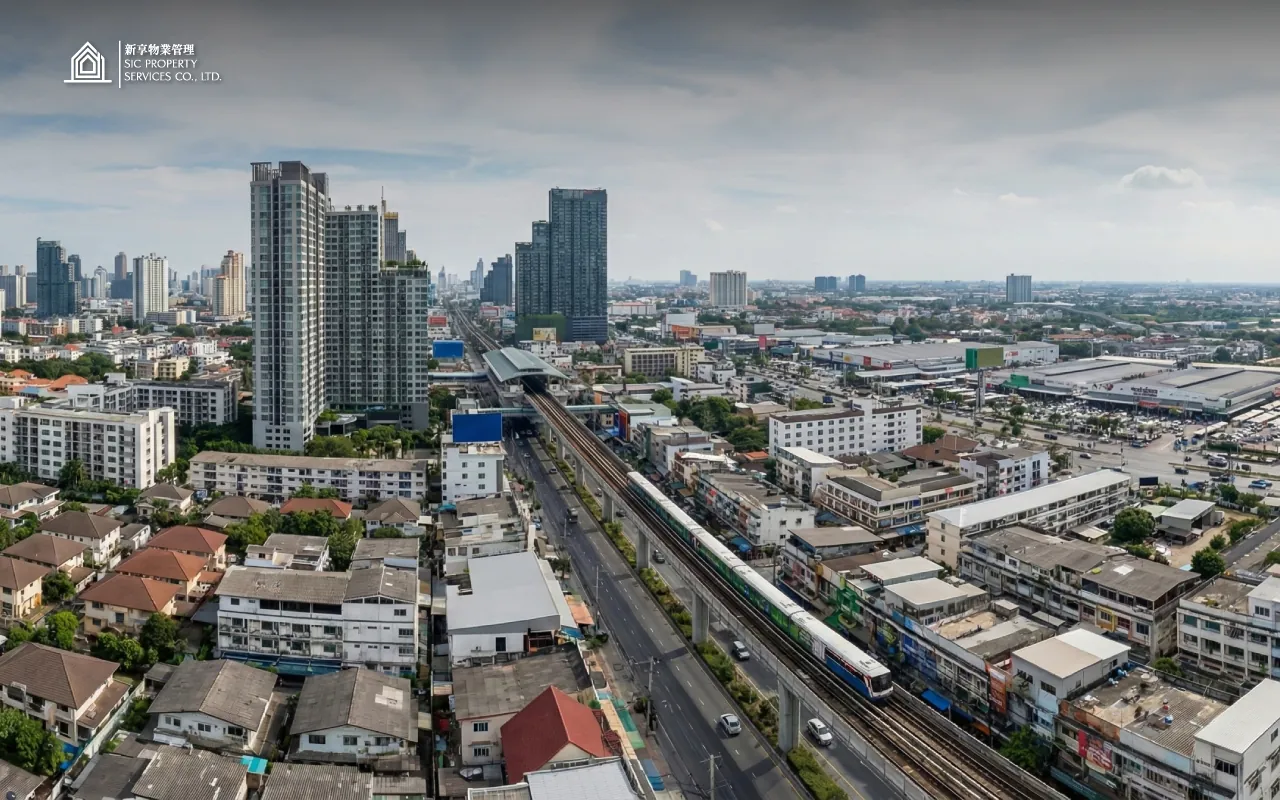
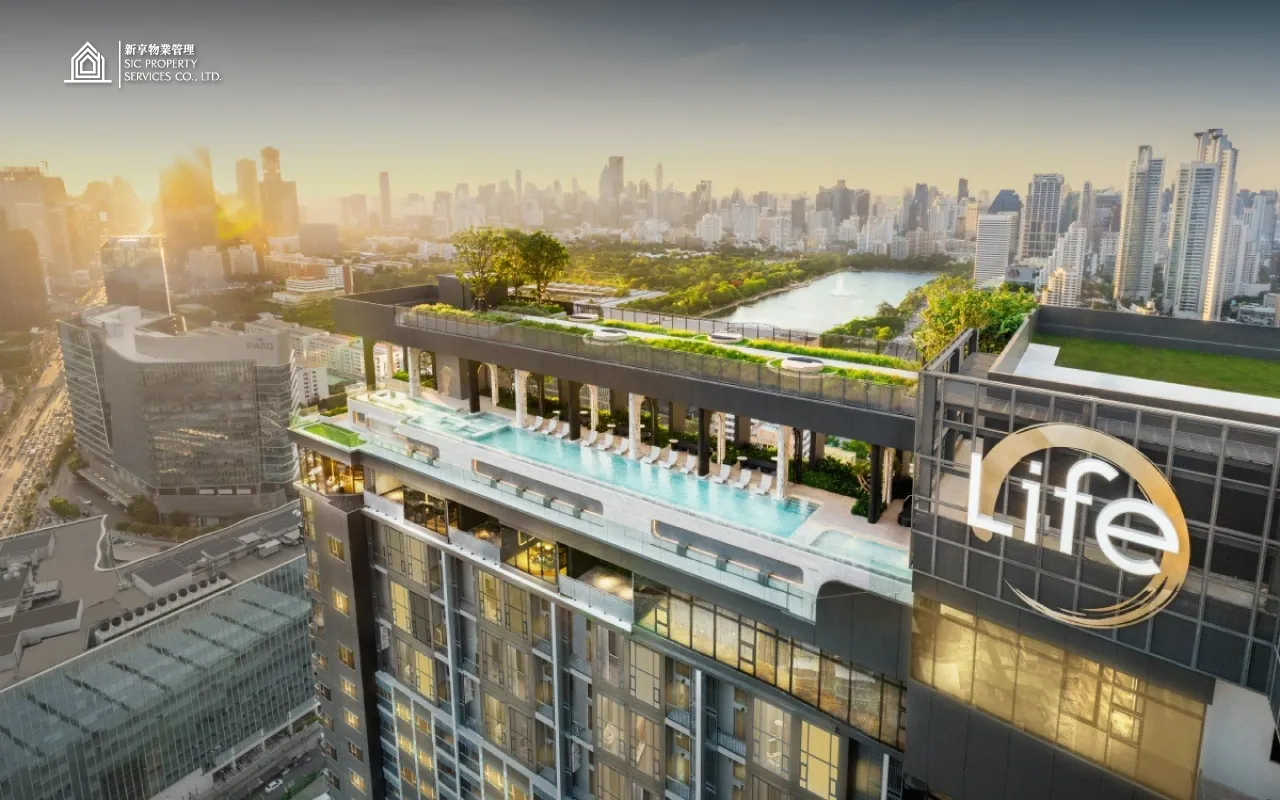
Meanwhile, condominiums located truly near train stations with distances not exceeding 300 meters, or approximately three to five minutes walking, have opportunities to significantly increase in value. Proximity to stations is no longer just about convenience but has become a measurable life cost with clear numerical impact.
When transportation costs increase by five to ten baht per trip, having to travel far in and out of stations means spending both additional money and time. Therefore, renters will prioritize projects that can truly be reached by walking without relying on supplementary transportation.
Condominiums positioned directly at stations, right at entrances, or just one to three minutes walking will clearly have stronger growth trends both in sale prices and rental rates compared to typical projects. This is an opportunity for investors with assets in such locations and an important consideration for those looking for new investment projects.
Source : AP Thailand
Rental Yields Return as Attractive Selling Point
Reports from multiple sources including DDproperty Thailand Property Market Outlook and Bamboo Routes Bangkok Rental Market Review indicate that gross rental yields for condominiums in central city areas are at attractive levels, averaging four to six percent per year.
For particularly outstanding locations such as Rama 9, Ratchadaphisek, and central Phahonyothin, reports show yields can reach six to seven percent per year, which is considered very good compared to other investment types.
When tenant demand increases as a result of this fare adjustment, rents have opportunities to adjust upward according to market mechanisms, making central city locations trending stronger than outer zones. This is a factor drawing rental investment-focused investors back to the real estate market.
Importance of Interchange Stations
Interchange stations connecting multiple lines remain the most attractive locations in all situations. Major interchange stations such as Asok connecting BTS and MRT, Mo Chit as another important connection point, Sala Daeng and Silom, Thong Lo which will connect with the future Grey Line, and Taling Chan which will connect with the future Orange Line.
These stations consistently maintain high demand because they help reduce the number of line transfers and reduce overall travel time, which directly affects reducing transportation costs. The more expensive fares become, the more valuable and important these interchange points become.
Opportunities and Strategies for Real Estate Investors
This BTS fare adjustment, while appearing challenging in one sense, is actually a golden opportunity for forward-thinking investors because it acts as a market filter that helps truly quality locations that meet real lifestyle needs stand out more clearly.
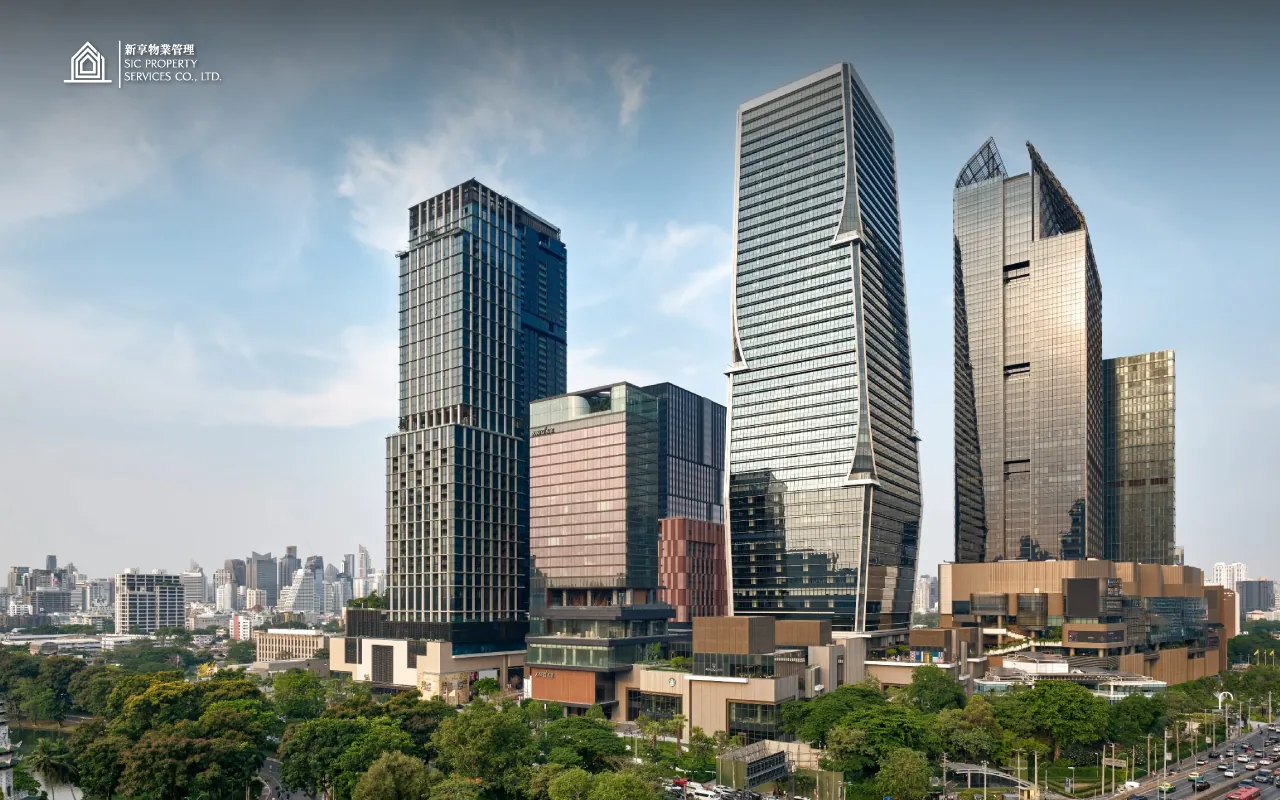
Smart investors can use this timing to accumulate assets in locations with continuous growth potential by prioritizing several factors including distance from train stations not exceeding 300 meters, locations that are interchange points between multiple lines, areas with plans for new train line expansions to connect in the future, and districts with complete amenities.
Condominium projects with mixed-use characteristics or comprehensive in-building amenities such as convenience stores, coffee shops, co-working spaces, large fitness centers, and shuttle services to stations will be options that renters rate higher because they reduce the necessity of traveling outside for services with additional costs.
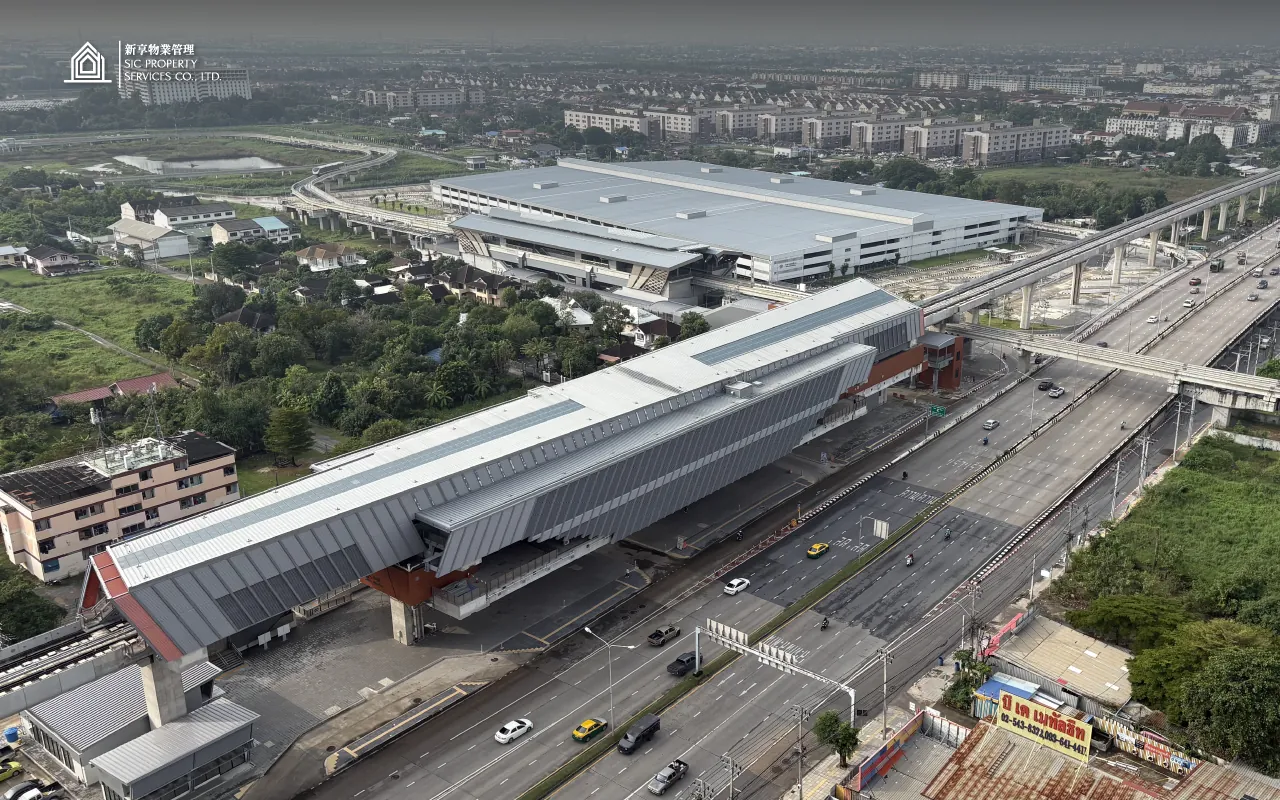
Additionally, following future mass transit system expansion plans is important, such as the Orange Line scheduled to open its eastern section in late 2027 and the western extension expected to open in 2030, the Grey Line running from Watcharapol to Thong Lo for 16.25 kilometers which will elevate areas around Pradit Manutham and Kaset-Nawamin roads into attractive new residential zones.
The Department of Rail Transport has revealed plans for at least eleven new train line projects during 2028 to 2029 covering more than 160 kilometers. Locations near these routes will have high growth opportunities because buyers and renters are beginning to view new connections as key selling points in decision-making.
Source : One Bangkok Website
Other Factors Affecting Real Estate Market
Besides train fare adjustments, there are other factors investors should monitor closely, such as heavy rainfall and flooding situations occurring in several Bangkok areas in late 2025, especially in Ramindra, Bang Na, and Rama 2 areas. These events further emphasize the importance of choosing locations safe from flooding with convenient transportation, which are factors that foreign renters and expatriate workers in Thailand greatly prioritize.
The quality of pedestrian walkways around train stations, or what's called walkability, is another increasingly important factor. Modern renters want environments conducive to walking with shade, wide and safe sidewalks, and shops and amenities along the route, not just numerically close distances.
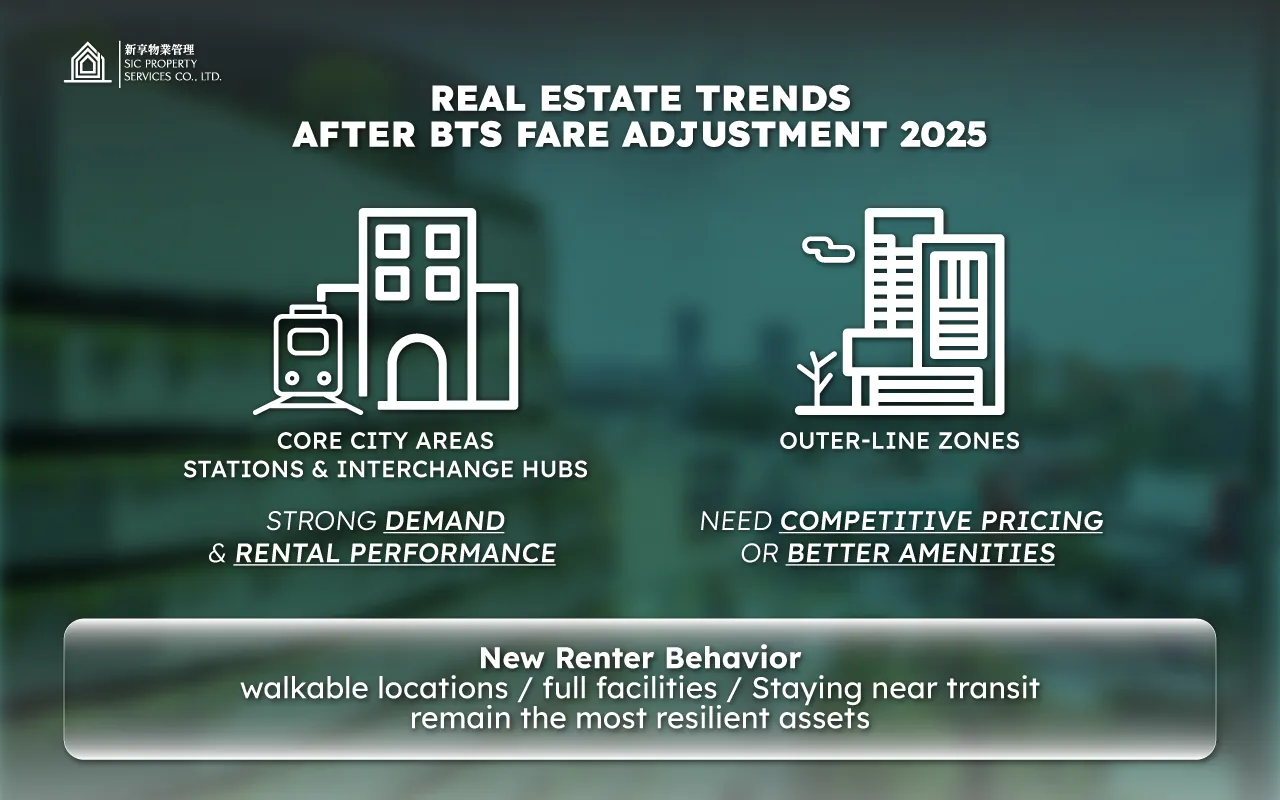
Conclusion: Real Estate Market Direction Following Fare Adjustment
The 2025 BTS fare adjustment is not merely an ordinary mass transit policy change but a significant catalyst causing clear structural adjustment in real estate market demand. Consumers and investors must adopt new perspectives on evaluating locations and living costs in the city.
Condominiums in central city areas and near major employment centers will benefit most from this change, while outer zones may need to adapt and find new competitive strategies. Projects located truly at train stations and at multi-line interchange points will have strength in both pricing and rental rates.
Walkability to stations and comprehensive project amenities have become important selection factors for modern renters, while rental yields return as attractive selling points for investors.
For investors seeking real estate market opportunities, choosing good locations with convenient transportation near public transit systems and future infrastructure development plans remains a stable strategy providing good long-term returns even as market conditions change.
In an era of rising transportation costs, condominiums in central locations with easy travel and proximity to public transportation systems will continue to be valuable assets with strong ongoing demand in the future.
This article is prepared to analyze real estate market trends based on information from public news sources and reliable research reports. It is not direct investment advice. Readers should exercise judgment and study additional information before making investment decisions.
References
The Nation Thailand – “BTS fare structure to start from Nov 2025”
The Thaiger – “BMA announces new BTS Green Line fare, 17–45 baht per trip”
CBRE – Thailand Real Estate Market Outlook 2025
Lazudi – Bangkok Q1 2025 Residential Market Report
DDproperty – Thailand Property Market Outlook 2024
Bamboo Routes – Bangkok Rental Market Review 2025