Why Remote Workers Are Choosing Bangkok for Long-Term Living
Thailand’s Destination Thailand Visa is changing the way remote professionals look at Bangkok — not just as a holiday destination, but as a practical long-term base for work, lifestyle, travel, and property planning.
Bangkok Is Becoming a Serious Long-Stay Base
For years, Bangkok has been known as a city for short breaks, business trips, food, shopping, nightlife, and regional travel. But the rise of remote work has changed the question many foreigners now ask.
Instead of asking, “Where should I spend my next holiday?”, more professionals are asking, “Where can I live comfortably, work efficiently, and stay legally for longer?”
The Destination Thailand Visa (DTV) sits directly inside this shift. It gives Thailand a stronger position in the global competition for digital nomads, freelancers, entrepreneurs, creators, and location-independent professionals.
Bangkok’s New Role
Bangkok is no longer only a gateway to Thailand. For many remote workers, it is becoming a regional lifestyle hub — a place to live, work, travel, build networks, and potentially invest.
What Is the Destination Thailand Visa?
The Destination Thailand Visa is a long-stay visa option designed for foreigners who want to spend extended time in Thailand under a clearer and more structured framework than repeated short tourist stays.
The visa is widely associated with groups such as digital nomads, remote workers, freelancers, self-employed professionals, soft-power activity participants, wellness visitors, and people joining approved Thai cultural or lifestyle programs.
Practical note: DTV rules, document requirements, fees, and interpretation may vary by embassy, consulate, applicant nationality, and future immigration policy. Always confirm final requirements with official Thai government or embassy sources before applying.
Why Remote Workers Are Paying Attention
Work-from-Anywhere Lifestyle
Bangkok offers the infrastructure remote workers need: fast internet, coworking spaces, cafés, serviced apartments, and international communities.
Urban Convenience
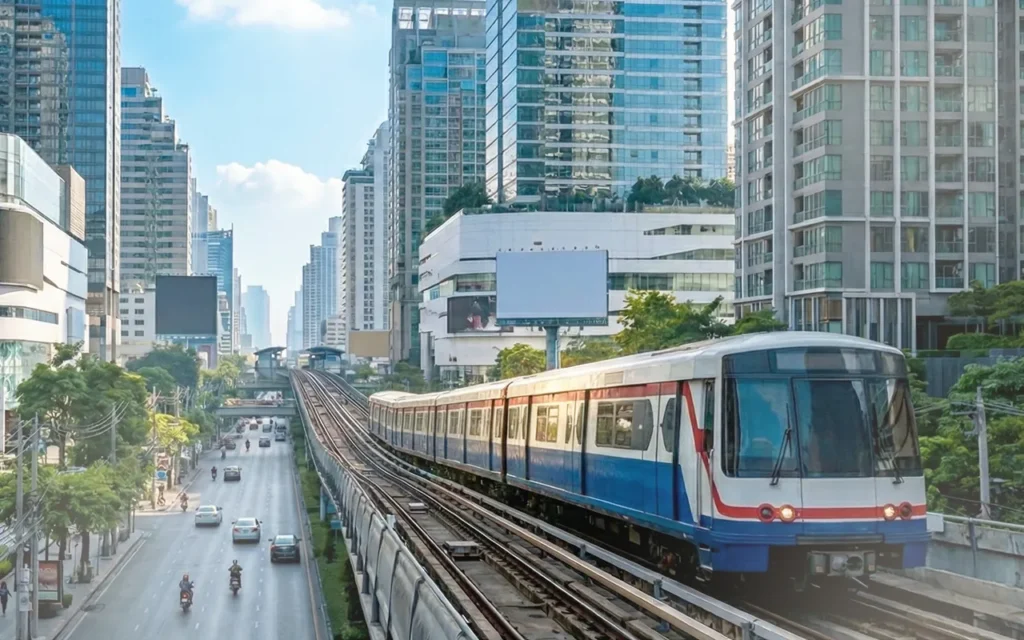
Many lifestyle districts combine BTS/MRT access, modern condominiums, restaurants, gyms, malls, hospitals, and daily services.
Regional Mobility
Bangkok is well positioned for travel across Asia, making it attractive for professionals with clients, family, or business interests in multiple countries.
Longer Housing Planning
A longer-stay mindset changes housing needs from hotels and short stays toward furnished condos, serviced residences, and 6–12 month rentals.
How DTV Could Influence Bangkok Condo Demand
The DTV story is not only about immigration. It also connects directly to how foreigners choose where to live in Bangkok.
Someone staying for a few weeks may prioritize hotels, location convenience, and short-term flexibility. But someone planning to stay for several months will think differently: rental contracts, workspace quality, building facilities, commute time, neighborhood safety, healthcare access, and resale or investment potential become more important.
| Short-Stay Visitor | DTV / Long-Stay Resident |
|---|---|
| Hotel or Airbnb focus | Furnished condo or serviced apartment |
| Tourist areas | Lifestyle and transit-oriented districts |
| Daily convenience | Work setup, gym, pool, security, community |
| Short travel budget | Monthly living cost and rental value |
| Flexible itinerary | Stable base for work and regional travel |
This creates an interesting opportunity for Bangkok landlords and investors, especially in buildings that serve foreign residents well: near BTS/MRT, with strong facilities, reliable management, and access to cafés, coworking spaces, shopping malls, and hospitals.
Bangkok Areas Remote Workers Often Consider
Thonglor & Ekkamai
Premium lifestyle, cafés, restaurants, nightlife, Japanese community, and strong condo options for higher-budget residents.
Phrom Phong & Asoke
Central location, BTS/MRT access, shopping malls, offices, hospitals, and international lifestyle amenities.
Rama 9
Growing CBD, newer condos, shopping, offices, MRT access, and attractive value compared with some Sukhumvit zones.
On Nut & Udom Suk
More affordable rental options with BTS connectivity, good everyday convenience, and increasing foreign resident demand.
Before Moving to Bangkok on a DTV
Clarify Your Visa Category
Check whether your application fits remote work, freelance, soft-power activity, wellness, or another eligible category. Prepare documents carefully before submission.
Plan Your First 90–180 Days
Decide whether you want to test Bangkok first through a serviced apartment or commit to a longer condo rental once you understand your lifestyle needs.
Choose a Work-Friendly Neighborhood
Look beyond tourist popularity. Prioritize internet quality, transport, noise level, building management, workspace options, and daily convenience.
Think About Long-Term Value
If you plan to return to Bangkok regularly, compare rental costs with ownership options and consider whether a condominium could become a lifestyle asset or investment.
DTV Is Attractive — But It Is Not a Shortcut
The DTV visa gives Thailand a compelling long-stay story, but applicants should avoid treating it as a casual visa hack. Immigration rules can change, documentation matters, and each applicant’s situation is different.
Remote workers should also understand the difference between working remotely for overseas clients or companies and working locally for a Thai employer. The two situations may have different legal and work-permit implications.
Recommendation: Treat the DTV as part of a full relocation plan: visa, tax considerations, banking, healthcare, housing, neighborhood choice, and long-term lifestyle strategy.
Planning a Long-Term Stay in Bangkok?
SIC Homes helps international residents, remote professionals, and investors understand Bangkok neighborhoods, condominium options, rental demand, and property opportunities suited for long-term living.
Contact SIC HomesDisclaimer: This article is for general information only and should not be considered legal, immigration, tax, or financial advice. Visa rules may change. Always verify current requirements with official Thai government, Thai e-Visa, embassy, consulate, or qualified professional sources before making decisions.